
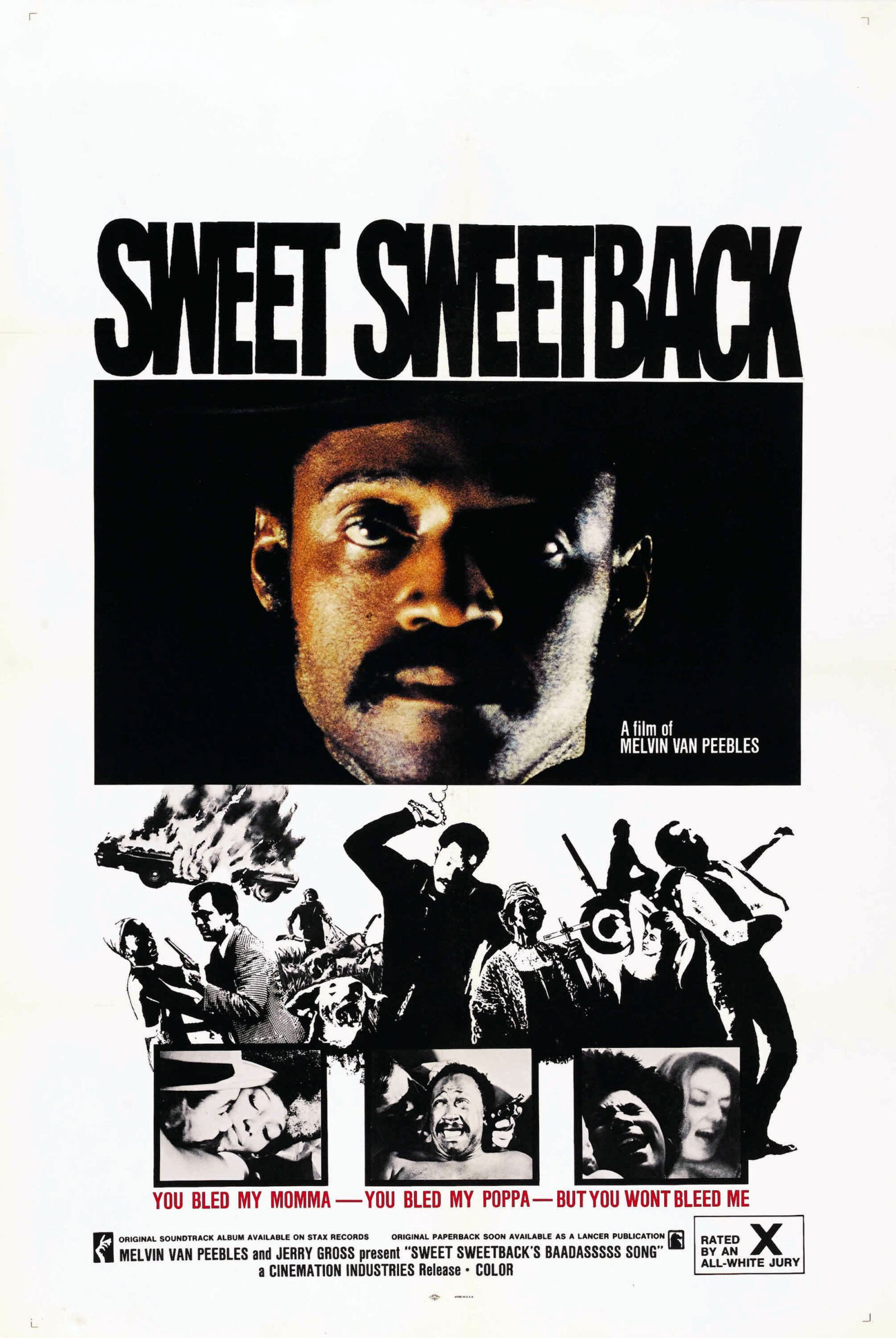
In the early 1970s, a cinematic revolution was born on the gritty streets of Harlem. The neon-lit boulevards of Los Angeles. This was the era of Blaxploitation, a genre that didn’t just break the mold—it shattered it. If you’ve ever hummed the “Theme from Shaft” or admired the fierce independence of Foxy Brown. You’ve felt the enduring impact of this bold movement in Black cinema history.
What is Blaxploitation?
The term “Blaxploitation” (a portmanteau of “Black” and “exploitation”) was coined in 1972 by the NAACP. While critics initially debated whether the films “exploited” Black culture by leaning into stereotypes of crime and violence. The genre provided something the mainstream never had: Black heroes who won.
While the films were often low-budget and high-energy, they captured a specific moment of Black pride and community. They were the first to show that the hero didn’t have to look like a traditional Hollywood leading man to save the day.
Whether you’re a film student or just a fan of “cool,” the Blaxploitation era remains one of the most vibrant, funky, and essential chapters in the story of American film history.
Did You Know? Blacula (1972) was one of the first horror films to feature a Black protagonist, effectively blending gothic horror with 70s urban soul.
No responses yet